



Suicide is one of the hardest conversations to have—and one of the most important.
Too often, the signs are missed, the myths persist, and people suffer in silence. Lisa Sugarman knows this pain personally.
A three-time suicide loss survivor, crisis counselor with The Trevor Project, and nationally recognized mental health advocate, Lisa has dedicated her life to creating stigma-free spaces for connection and healing.
In this expert Q&A, Lisa shares what she’s learned from both personal experience and years of frontline crisis work: how to recognize warning signs, start safe conversations, dismantle harmful myths, and nurture the hope and connection that save lives.
Expert Q and A with Lisa Sugarman
Q: What are some of the most important warning signs that someone may be thinking about suicide?
A: From my experience as both a three-time suicide loss survivor and a crisis counselor with The Trevor Project, one of the biggest truths I’ve learned is that the signs are often there, but we’re not always sure how to read them. Warning signs can look like dramatic changes in mood, withdrawing from friends and family, talking about feeling like a burden, or expressing hopelessness.
Sometimes it’s more subtle—like giving away personal belongings, increased use of drugs or alcohol, or suddenly “acting fine” after a period of despair. The important thing is to notice shifts in behavior and take them seriously. If your gut tells you something’s wrong, that’s because it probably is.
The challenge is that no two people show their pain the same way. Some may become very vocal about their struggles, while others mask them with humor, productivity, or by appearing “put together.”
That’s why suicide prevention isn’t just about memorizing a checklist of signs—it’s about paying attention to changes in someone’s baseline.
If your friend is usually outgoing but suddenly stops answering texts, that’s meaningful. If your colleague who’s usually calm becomes irritable or reckless, that’s a flag. Those shifts matter.
It’s also important to remember that risk can escalate quickly. Someone may seem like they’re coping one day and be in danger the next. This is why ongoing connection is so vital. Because if we normalize asking each other how we really are, we create openings to catch those signs earlier and intervene with compassion.
Q: How can friends and family members start a safe, supportive conversation with a loved one they’re worried about?
A: It’s never easy, but starting the conversation can truly save a life. My advice is to lead with compassion and curiosity, not judgment. You might say something like, “I’ve noticed you seem different lately, and I care about you. Can we talk about what you’re going through?” Avoid trying to “fix” them or offering clichés. Instead, listen more than you speak. Silence can be powerful—it gives the person space to open up. And don’t be afraid to ask directly if they’re thinking about suicide. That question doesn’t plant the idea; it shows you care enough to name it.
When you open the door to that kind of conversation, it’s critical to keep your body language and tone calm and non-threatening. Sometimes just sitting shoulder-to-shoulder instead of face-to-face can ease the pressure.
Remind your person that you’re not there to judge, but to understand. If they do share that they’re thinking of suicide, it’s important to validate their feelings by saying things like, “I hear how much pain you’re in,” rather than rush to solutions. Validation communicates safety, which helps them keep talking.
The next step is about follow-through. If someone opens up, you don’t need to have all the answers, but you can say, “Thank you for trusting me. You’re not alone. Let’s figure out the next step together.” That might mean helping them connect to a therapist, calling the 988 Crisis & Suicide Lifeline together, or simply agreeing to check in daily. Conversations like this are less about having a perfect script and more about showing up with genuine concern and persistence.
Q: What role does hope and connection play in suicide prevention, and how can people cultivate both?
A: Hope and connection are everything. After losing my father and two other loved ones to suicide, and after years of working with people in crisis, I’ve seen firsthand that isolation fuels despair, while connection fuels survival. Connection doesn’t have to be complicated—it can be as simple as a daily text check-in, inviting someone for a walk, or just sitting with them in silence. Hope, on the other hand, is often built in the smallest of moments: reminding someone they matter, validating their pain, and offering resources that show they’re not alone. Cultivating both starts with being present and consistent—showing up in little ways, over and over.
I think one of the biggest misconceptions is that hope needs to be this grand gesture like a miracle cure or some huge breakthrough.
But hope often comes in fragments. It might be as small as believing, “I can get through today.” Or, “I have one person I can call.”
By helping people identify those fragments of hope, we slowly build a larger sense of possibility. Even when things feel unbearable, knowing there’s someone who cares enough to check in can make life feel a little less impossible.
Connection works in the same way. It’s not about having dozens of people around you; it’s about having one or two safe, reliable anchors who remind you that you belong here. As a community, we can cultivate this by being intentional—making a habit of checking in, creating peer support spaces, or joining grief and recovery groups. Hope and connection thrive when they’re nurtured consistently and not just coming in moments of crisis.
Q: What common myths about suicide do you encounter most often, and what’s the truth behind them?
A: One of the most damaging myths is that suicide is selfish. The reality is that most people who die by suicide are in unbearable pain and believe their death will relieve others of a burden. Another myth is that talking about suicide puts the idea in someone’s head, because that’s totally false. In truth, naming it is validating and actually opens the door to honesty and support. I also hear people say, “If they were really serious, they would have said something.” But often, people do give signs—we just don’t always recognize them. Suicide isn’t about weakness or selfishness; it’s about suffering that feels impossible to endure.
Another myth is that suicide only happens in certain kinds of families or communities. But the reality is, suicide doesn’t discriminate—it touches every race, class, gender, and age group. I’ve spoken to people from every imaginable background, and the common thread is pain, not demographics. Believing suicide is “someone else’s problem” keeps us from having the conversations we all need to be having.
Lastly, there’s the idea that once someone is suicidal, they’ll always feel that way. But I’ve seen countless people move through that darkness and find reasons to keep living. Suicidal intensity often comes in waves—it can pass if someone is supported through the peak of the crisis. The more we dispel these myths, the more we reduce shame and create space for honest dialogue, which is where true prevention begins.
Q: For someone who has survived a suicide attempt or lives with suicidal thoughts, what practical steps can support healing and recovery?
A: Surviving a suicide attempt is an act of incredible strength, even if it doesn’t feel that way at the time. Healing starts with safety—removing access to lethal means and having a support plan. Therapy, peer groups, and crisis lines like 988 are crucial tools, but so are daily practices like journaling, movement, mindfulness, and staying connected to a trusted circle for support. For a lot of survivors, finding purpose—whether through advocacy, creativity, or service—can be a lifeline. Recovery is almost never linear. Instead, it’s about building a toolbox of supports, leaning on it when the hard days come, and remembering that needing help is human.
One of the most powerful tools is storytelling—sharing your experience with safe, trusted people or communities. When you tell your story, you reduce shame, and you often discover others who can relate. That’s why survivor groups and peer-led spaces are so impactful: they remind you that you’re not walking this road alone. For me, becoming open about my father’s suicide decades after it happened was both terrifying and freeing—but it also connected me to a community of people who truly understood my pain.
On a practical level, creating a safety plan is invaluable. A written list of coping strategies, contacts, and reasons to stay can act like a lifeline when thoughts feel overwhelming. This might include grounding exercises, crisis hotline numbers, or simple reminders of people, places, or experiences worth holding onto. Recovery isn’t about never struggling again—it’s about building resilience, leaning into support, and knowing that healing is always possible, even after the darkest days.
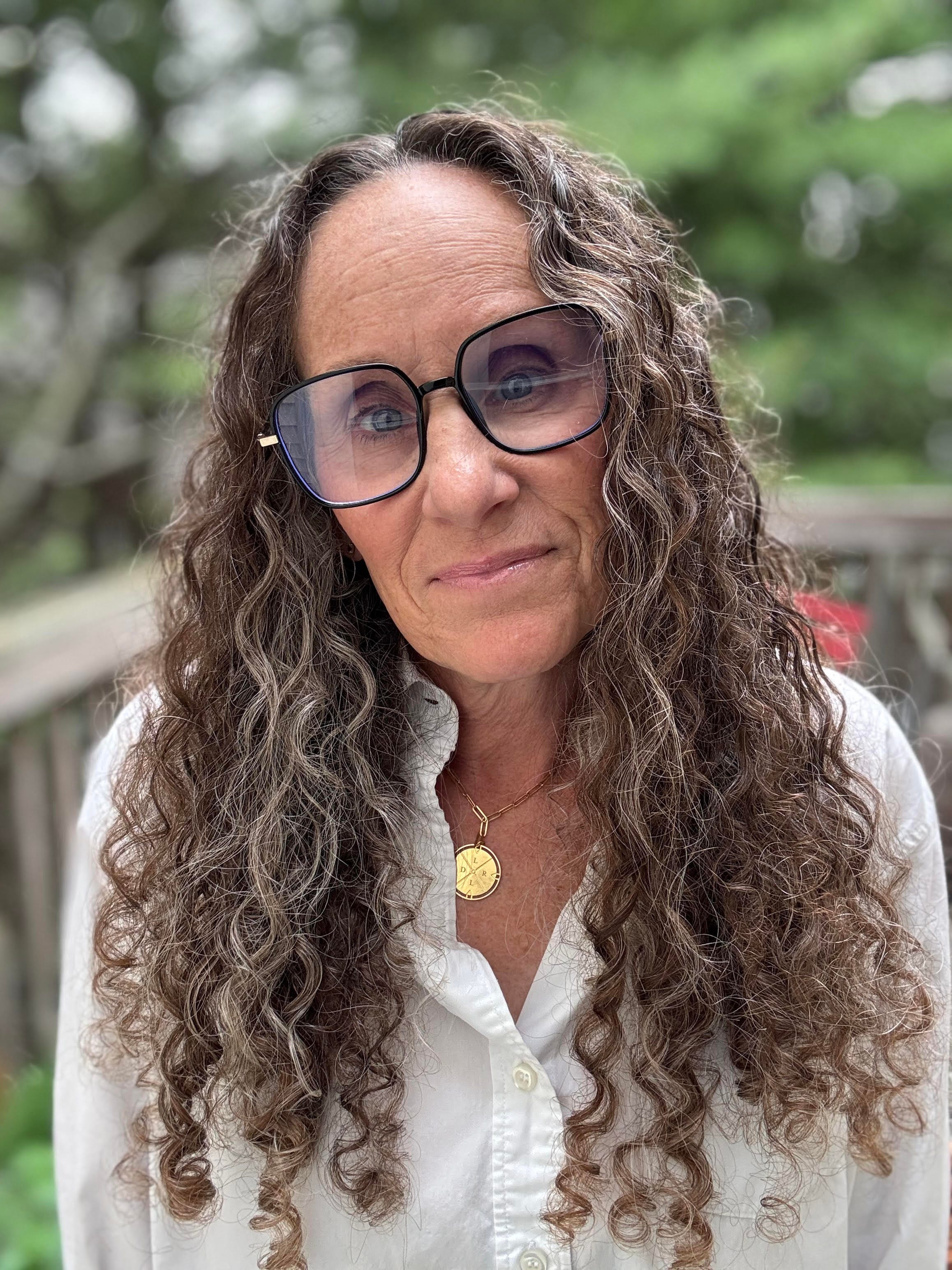
Lisa Sugarman is the Founder of The HelpHUB™, a three-time suicide loss survivor, crisis counselor with The Trevor Project, NAMI storyteller, host of The Survivors Podcast, and nationally recognized mental health advocate. She’s also a member of Recovery.com’s Contributor Network as an editor focused on suicide‑prevention content. Lisa is also the author of several books, including her upcoming release Surviving: Finding Hope After Suicide Loss (Familius Publishing, 2026). Through her writing, speaking, and podcasting, Lisa creates safe spaces for open, stigma-free conversations about grief, resilience, and mental health, empowering others to know they’re never alone.